SPRING IS IN THE AIR-PEACEHAVEN DEVELOPMENT PROGRESSING
Apologies Friends for the lack of Blogs, unfortunately I am battling an illness, trying to keep my life on track and fulfil all my commitments. It is one thing to be passionate about something and be involved in many forums but another to neglect one area at the expense of another. Guess I will have to sort out my priorities.
To start off with, thanks to all the residents and Friends who so successfully supported the Recent 10th Anniversary. It was a fantastic success thanks to the Council Staff (well done Christian) and all the volunteers and merchants who supported the event. A common comment was 'we should find other reasons to do this more often" Once again Thank You one and all.
 The entrance road turning circle is soon to be turfed and the car park earth works are well underway. The entrances are now at the Western end of the Park along Kuhls Rd and via Scott Street as normal. They tell us approx. 6 weeks should see the job done, weather permitting. DON'T FORGET TO CONTINUE SUPPORTING THE NURSERY THROUGH THIS PERIOD, THERE ARE LOTS OF NEW PLANTS READY TO BE PLANTED IN YOUR GARDEN, MANY IN BUD OR FLOWERING.


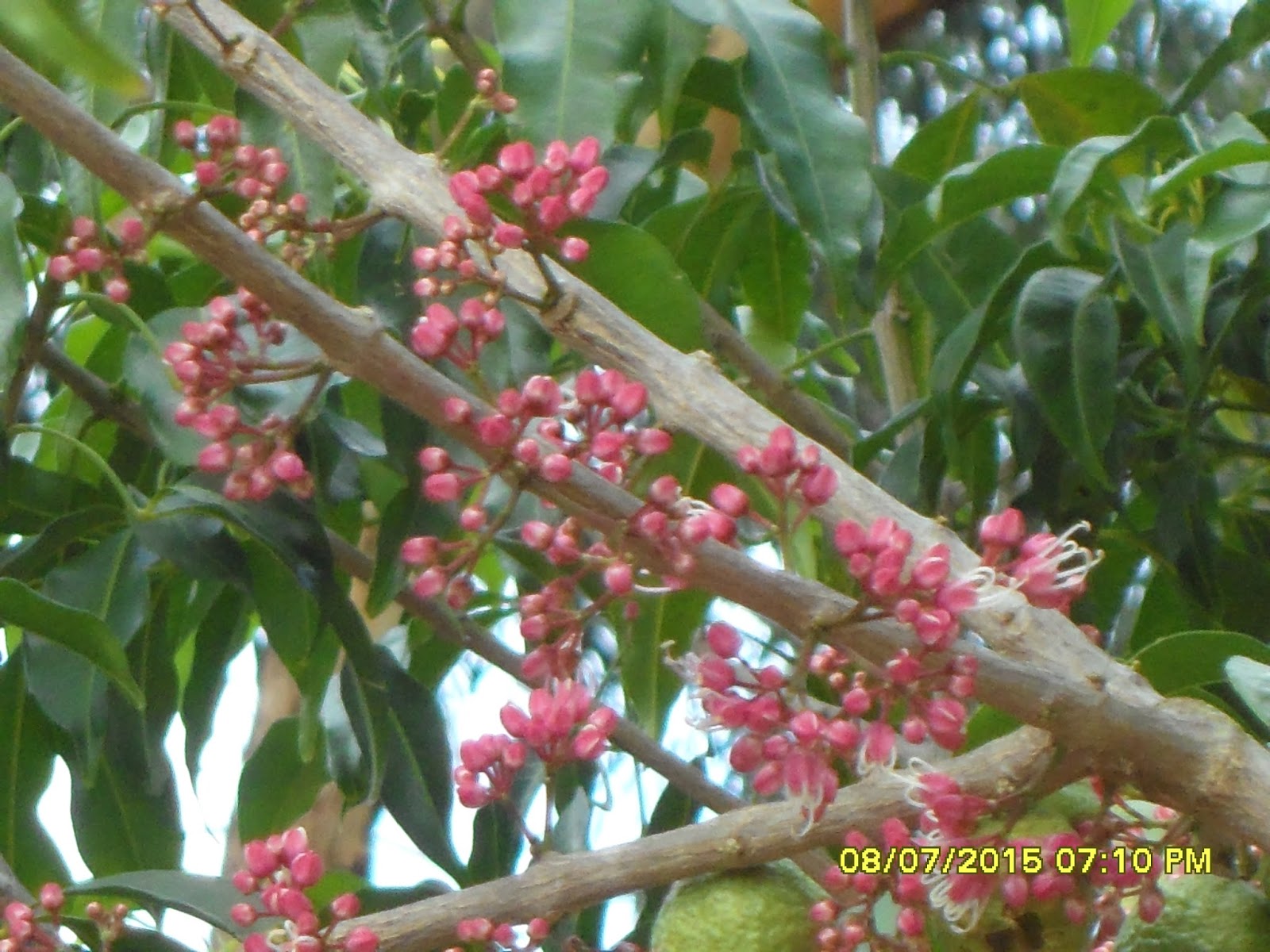
 There aren't many new flowering plants in the Park at the moment although the Brachychitons are in bud and starting to colour up. There are lots of birds nesting and hollows in trees are in demand at the moment. The frog pond is up and running with it's own waterfall and it was great to see water flowing through the dry creek bed during the Birthday celebration.
 A reminder to all Friends that the AGM is being held on Wed 2 Sept. Get involved, active members are always welcome, help to share the load of running YOUR organisation.
PART 2
PREPARATION OF A GARDEN BED-before planting
As mentioned in the last Blog, the potted plant has been nurtured/spoiled in it's pot. As a result the roots don't need to go anywhere as they have everything they need in their pot. Your job when planting it is to create an environment to entice the roots out of the root ball and into your garden bed. The main thing you have going for you is the plant is growing/getting bigger and looking for more nourishment/water so it will send it's roots out searching.
Your garden soil needs to be friable (not compacted), have a moisture holding content (humus/compost), have nourishment available and be free draining. Of course Light and Airflow are important also.
Your first step should be to ensure the soil is loosened up/aerated and dig in compost. Your soil composition should be considered, a general soil mix might consist of 1/3 original soil, 1/3 compost/humus/organic matter and 1/3 coarse river sand. I f your soil includes heavy clay a clay breaker should be added now. If your soil is depleted of minerals (as is most Australian soil, long ago leached , washed away or intensively farmed without replacing them) you should consider adding a soil supplement such as "Earth Life" rock minerals (available/manufactured in Toowoomba) at this stage. Dig all this in turning it frequently from top to bottom to ensure an even mix.
A depth of approx. 300mm (a bit more than a spade blade depth) would be suitable for most plants to get them started. After all your hard work don't walk all over it and re-compact the soil. A good idea when planning a new bed is to allow for an access path to service/prune etc, it could be stepping stones, a narrow gravel or decomposed granite walkway etc.
If you are not in a hurry let the bed sit for a while which has the advantage of letting any weeds/seeds germinate which are then easily removed. It is a good idea at this stage to also water the bed in and mulch it to avoid the ingress of any new weeds/seeds.
If you are like me and can't wait, dig the hole for the plant a minimum of twice as wide as the pot and unlike what the plant label says, 1 1/2 times as deep. Place a small amount of fertiliser (slow release or compost) at the bottom of the hole and then backfill to the depth of the pot (the idea is to prevent root burn but encourage the roots DOWN, the water will wick down through the loose soil and the roots will follow the water).
Now pre position the pot plant in the hole and press it lightly into the soil having first worked out the front/face of the plant. Carefully invert the pot plant into the palm of your hand with the stem between your fingers and gently remove the pot from the plant. Place your other hand on the bottom of the plant and turn it back over supporting the weight of the plant on your lower hand (at no stage hold the plant only by the stem). Lower the plant into the hole ensuring the marks on the bottom of the plant line up with the indentation you made in the bottom of the hole (this is to ensure minimal air space between the two). Now backfill around the plant and press the soil down GENTLY(are you listening gentlemen) around the plant. Do not backfill higher than the original level of soil around the plant, a low mound/moat may be built up around the plant to aid in directing water into the root ball. Water the plant immediately with a Seasol solution or equivalent and repeating the Seasol again in 1 week. This is to settle the plant in and help avoid planting shock. Water the plant daily or as necessary until established paying particular attention to the wetness of the root ball and watering much wider than the plant to keep surrounding soil moist thus allowing new roots to easily penetrate. This method I have described isn't complete as space doesn't allow but I hope I have raised a few points you may not have considered before and thus ensure a higher success rate and produce bigger/better/healthier plants. Any further questions/advice is available from volunteers at the Peacehaven Nursery.
The next Technical article will be about designing a garden from scratch, I might have to break it down over several Blogs as there is a lot to consider.
 The majority and content of these articles are directed towards native plants as that is what Peacehaven Park and the Nursery are about but most information is applicable to exotic plants as well.
Hope to see you around the Park.